
Bill Engler Painting of Greater Reading, PA
Residential and Commercial Painters Serving Berks County, PA for Decades!
The knowledgeable painting experts at Bill Engler Painting offer professional painting services for all of your interior and exterior painting project needs. We provide exceptional services for both residential homes and commercial businesses in Greater Reading, PA and the surrounding areas including Muhlenberg, Wyomissing, Wernersville and Shillington, PA.
Our family owned and operated company is staffed with hand-picked artisans who deliver the highest quality workmanship in the area. We have decades of experience providing an elite level of service that can be relied upon time and again. If you have called on Bill Engler Painting previously, we thank you for your patronage. If you have yet to try us, we invite you to contact us today to experience the satisfaction you’ve been searching for and truly deserve!

Residential House Painting
Our residential painting services can give your house a fresh, updated look. We’ll keep your colors looking fresh and bright, and even add an accent color if you choose!

Commercial Painting
At Bill Engler Painting, our commercial painting services can update your business paint scheme to attract new customers and make a professional first impression.

Interior Painting
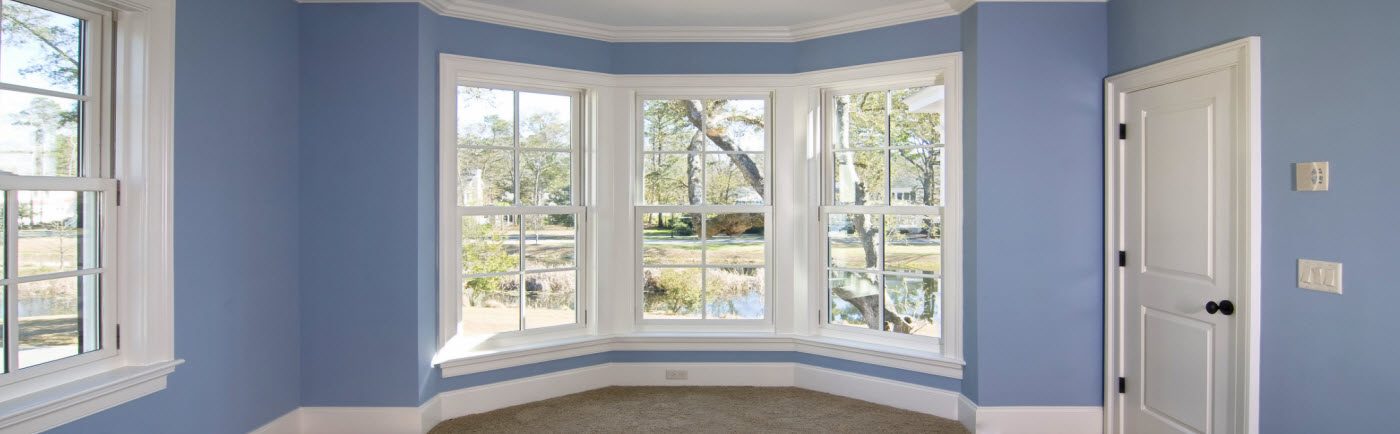
Transform the rooms of your home with quality design and workmanship via Bill Engler Painting’s interior painting services. Our team’s expertise and experience in interior style will enhance the beauty of your home and make it look new again.

Exterior Painting
Give your home a facelift with a quality exterior painting service that will give it renewed curb appeal. Our professional team of exterior painters provide excellent service combined with superior results to rejuvenate your home’s exterior.

Color Consultations
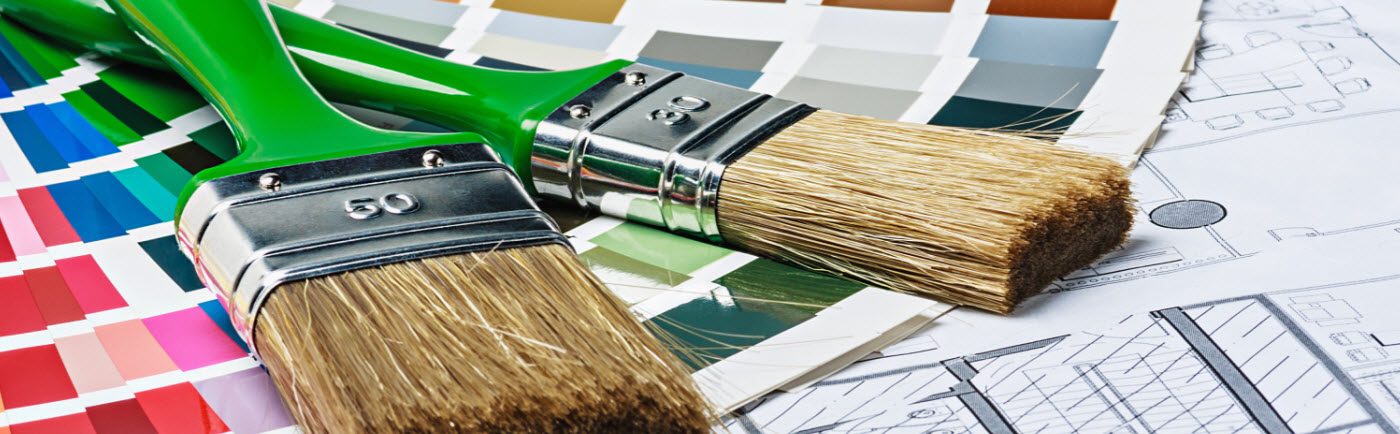
At Bill Engler Painting, our highly skilled employees are more than just painters, we are also color consultants and know all the popular color palettes. If you aren’t sure of the color scheme you want, our color consultants can advise you!
Exceptional Service from the Best Painting Contractors
At Bill Engler Painting, you will receive a personalized service with the highest attention to detail. When you hire us to complete a project, you can be assured that we personally supervise each job site to make sure that each painting project is being completed to your exact specifications. We take our priorities seriously and our promise to our customers is to complete each and every job right the first time.
Premium Residential, Commercial & Industrial, Interior & Exterior Painting Services
At Bill Engler Painting, we specialize in interior and exterior painting services. Our preparation services are extensive as we take the time to properly prepare the surface before the painting process begins. This attention to detail is one of the many things that set as above our competitors making us the number one choice of customers in Greater Reading, PA and the surrounding areas.
We Offer a Complete Menu of Comprehensive Painting Related Services Including:
• Residential, Commercial & Industrial Painting
• Interior & Exterior Painting
• Wallpaper Installation & Stripping
• Pressure & Power Washing
• Drywall Installation & Repairs
• Deck Staining & Floor Refinishing
• Water & Fire Damage Restoration
• Remodeling
Color & Painting Consultations
At Bill Engler Painting we will inspect your project and discuss even the smallest detail with you before providing you with a comprehensive quote. This will ensure that we understand your expectations so we can fulfill your very specific requirements using only the best quality products and supplies available in the painting industry. We can transform the interior and exterior of your home or business with a high quality painting job provided by professional painters.
Our Interior Painting Services Include:
• Architectural woodwork
• Interior walls
• Railings
• Trim woodwork
Painting Preparation Services in Greater Berks County, Pennsylvania
To get the job done properly, our team of professionals at Bill Engler Painting understand and values the importance of preparation. To ensure we are properly preparing your walls for the application of paint, we provide additional services including wallpaper stripping, drywall repairs and pressure washing performed by experts who understand how to utilize the right equipment to ensure you receive premium results. This attention to detail and premium workmanship makes all the difference in the visual appearance of the completed job.
Painting Contractors in Greater Reading, Pennsylvania
We base our business on providing an exemplary level of customer service, no matter the size or scope of the painting project; we strive to provide the best quality workmanship available each and every time. With decades in the painting industry you can rest assured that when you contact Bill Engler Painting you are communicating with a professional painting company that provides high quality work that you can rely on. For more information regarding premium residential & commercial, interior & exterior painting services, contact the experienced professionals at Bill Engler Painting today.
