

Creating a cohesive color scheme throughout your home can make each room feel connected and still allow for individual spaces to have their own personality. Homeowners can develop a coordinated palette that creates a natural flow from one area to the next instead of choosing paint colors independently for every room. With thoughtful planning and professional interior painting services, it is possible to achieve a polished look that feels comfortable, balanced, and intentional. With this in mind, we at Bill Engler Painting would like to share tips on how to create a consistent color scheme throughout your home.
Start With a Main Paint Color
Selecting a primary color that appears throughout the home is one the easiest ways to create consistency. This does not mean every wall needs to be painted the exact same shade. Instead, the main color can serve as a foundation that connects different areas. Neutral shades such as warm white, beige, gray, or soft taupe are ideal versatile background colors. A consistent base makes it easier to introduce additional colors without making the home feel visually disconnected. It can also help rooms transition smoothly, particularly in homes with open floor plans.
Choose Complementary Accent Paint Colors
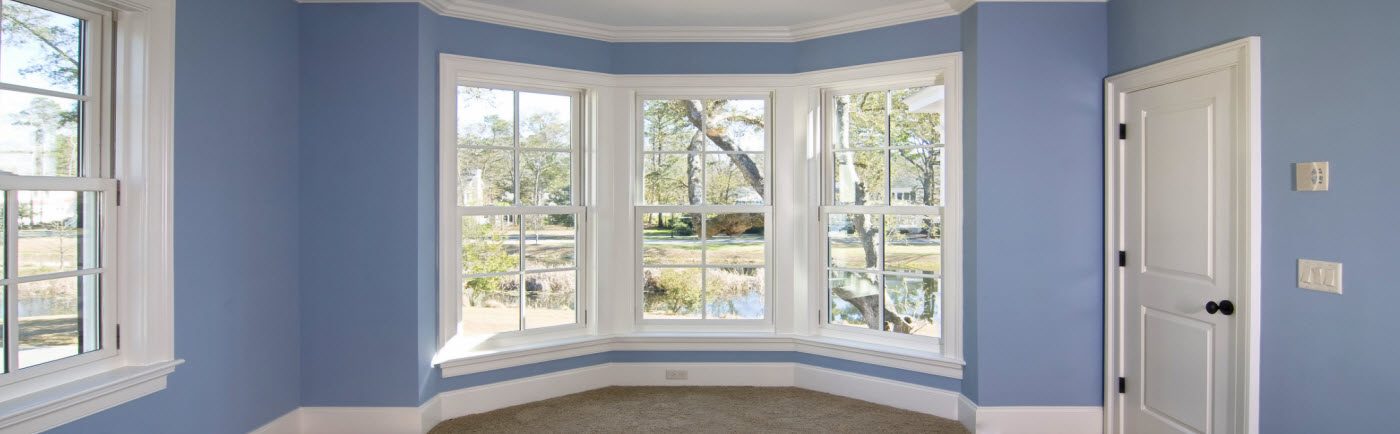
Consider choosing two or three complementary shades for other areas after the primary color is selected. Accent colors can add personality while maintaining a relationship with the rest of the home. For example, a neutral main color might be paired with muted blue in a bedroom, a soft green in a kitchen, and a deeper gray in a home office. Rather than simply choosing favorite colors independently, selecting shades that work well together is key. To see whether the colors create the desired connection, look at paint samples side by side.
Consider the Flow Between Rooms
Color transitions are especially important when rooms are visible from one another. Dramatically different colors placed next to each other can sometimes make a home feel divided. Instead, consider how one room’s color will look from the doorway or hallway leading into another space. Using similar shades or repeating certain colors throughout different rooms can create continuity. Even small details, such as matching trim colors or repeating an accent shade, can help tie the overall design together.
Natural & Artificial Lighting Options
Lighting can significantly affect how paint colors appear. A shade that looks warm and inviting in one room may appear cooler or darker in another because of differences in natural light, windows, and artificial lighting. Before committing to a color, test samples on the actual walls whenever possible. Observe them at different times of the day to see how they change. This can help prevent unexpected results once the entire room has been painted.
Coordinate Trim, Doors, & Ceilings
Walls are not the only surfaces that contribute to a home’s color scheme. Trim, doors, baseboards, and ceilings can also influence the overall appearance. Using a consistent trim color throughout the house is a simple way to create visual continuity. Depending on the home’s design, white is a traditional choice, but other neutral shades may also work. A professional can assist you with choosing the best color scheme that complements the walls and architectural features.
Work With Professional Interior Painters
Developing a cohesive color palette requires more than picking attractive individual shades. Professional interior painting services can help homeowners consider room layouts, lighting, surface conditions, finishes, and transitions when planning a project.
Interior & Exterior Painting, Deck Painting & Staining & More in Shillington, Muhlenberg, Wyomissing, Sinking Spring, Exeter, Wernersville & Greater Reading, Pennsylvania
A consistent color scheme can make a home feel more unified without making every room look identical. Call Bill Engler Painting to ensure your interior painting project is done efficiently!
